
A drug possession conviction doesn’t disappear after you’ve served your sentence. It follows you onto background checks, into job applications, and through housing screenings — sometimes for years. Indiana law, however, gives people with qualifying drug convictions a real opportunity to clear their records and move forward. The process is called expungement, and the first question most people ask is simple: how long do I have to wait?
The answer depends on the level of your charge. Under Indiana’s Second Chance Law, codified at Indiana Code 35-38-9, waiting periods range from one year for certain arrests that didn’t result in a conviction to eight years for felony drug possession convictions. Getting this timeline right matters — especially since Indiana only allows one expungement petition per lifetime.
Here’s what you need to know.
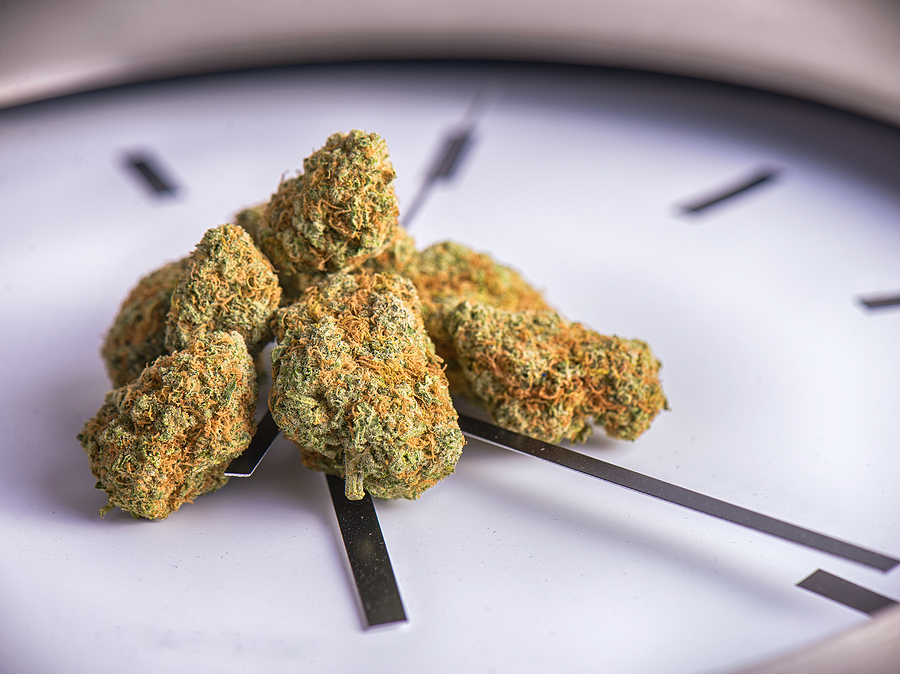
What Expungement Actually Does — and Doesn’t Do
Before diving into timelines, it helps to be clear about what expungement means in Indiana. An expungement is a court order that seals your criminal record from public view. Employers, landlords, and licensing boards who run standard background checks will no longer see the conviction. Critically, once your record is expunged, Indiana law allows you to legally answer “no” when asked whether you’ve been convicted of a crime on most job and housing applications.
Expungement is not a pardon. It doesn’t physically destroy the records — law enforcement retains access for limited purposes — but it removes the public-facing criminal history that routinely blocks people from employment, housing, and professional licenses. For someone rebuilding their life after a drug possession conviction, that distinction is enormous.
Indiana’s Drug Possession Expungement Timeline
Indiana’s expungement law uses a tiered structure based on the severity of the offense. Here’s how the waiting periods break down for drug possession cases specifically.
Arrests With No Conviction
If you were arrested for drug possession but the charges were dropped, dismissed, or you were acquitted, you may petition for expungement just one year after the date of arrest. This is the most straightforward category. For arrests that occurred after June 30, 2022, where charges were never filed or were subsequently dismissed, Indiana courts are now required to order expungement automatically — no petition needed.
Misdemeanor Drug Possession
A misdemeanor drug conviction — such as a Class A misdemeanor for possession of a controlled substance without a valid prescription under Indiana Code 35-48-4-7 — carries a five-year waiting period from the date of conviction. That period can be shortened to as little as one year if the prosecutor provides written consent. Once the five-year mark is reached and all other requirements are met, misdemeanor expungement is mandatory — meaning the court has no discretion to deny it.
Level 6 Felony or Class D Felony Drug Possession
Simple possession can be elevated to a Level 6 felony if you have a prior drug conviction or certain aggravating factors apply. These lower-level felony convictions carry an eight-year waiting period from the date of conviction, or three years from the completion of your sentence — whichever comes later. As with misdemeanors, the prosecutor can consent to a shorter waiting period. If the requirements are satisfied, expungement is mandatory.
Level 1–5 Felony Drug Convictions
Higher-level felony drug charges — such as possession with intent to deliver — fall under a different set of rules. These convictions also carry an eight-year waiting period from conviction or three years from sentence completion, but here the prosecutor’s written consent is required regardless of how much time has passed. The court also retains full discretion to deny the petition, even if every other requirement is met.
Factors That Affect Your Expungement Eligibility
Meeting the waiting period is necessary, but it’s not sufficient on its own. Several additional factors determine whether your petition will succeed.
Your Criminal History
Indiana’s expungement statute requires that you have no criminal charges pending at the time of filing, and no new convictions within the applicable waiting period. So, if you had a misdemeanor drug conviction in 2018 but picked up another conviction in 2022, the clock resets — you’d need to wait until 2027 to file.
Whether You’ve Completed Your Sentence
All fines, fees, court costs, and restitution must be fully paid before you can petition. Incomplete financial obligations are a common reason petitions get delayed or denied. If you’re unsure whether your obligations are satisfied, your court records and the county clerk’s office can confirm your status.
The Nature of the Underlying Offense
Certain convictions are categorically excluded from expungement in Indiana, regardless of time elapsed. These include murder, voluntary manslaughter, human trafficking, sex offenses requiring registration, and a range of other serious crimes. If a drug possession charge was accompanied by a conviction in one of these categories, it may block your eligibility entirely. This is one of the key reasons a thorough review of your complete criminal history is essential before filing.
The Expungement Process in Indianapolis
Once you’ve confirmed your eligibility, the filing process involves several distinct steps. Rushing through it — or missing a detail — can create serious problems, given that Indiana limits each person to one expungement petition in their lifetime.
Step 1: Pull Your Complete Criminal Record
Request your full criminal history from the Indiana State Police and obtain certified court records from every county where you have a conviction. The petition must precisely match the underlying records, so accuracy here is critical.
Step 2: File in the Right Court
The petition must be filed in the court that originally entered the conviction. If you have convictions in multiple counties, you’ll need to file separate petitions in each — though petitions filed within a 365-day window count as a single lifetime petition.
Step 3: Serve the Prosecutor
Once the petition is filed, the prosecutor’s office has 30 days to object. If no objection is filed, the court may grant the petition without a hearing. If the prosecutor does object, a hearing must be scheduled within 60 days of the original filing date.
Step 4: Attend the Hearing (If Required)
At the hearing, the court weighs the petition against any prosecutorial objection, considering the nature of the offense and your conduct since conviction. Having legal representation at this stage can meaningfully affect the outcome.
Step 5: Records Are Updated
After the court grants the petition, certified copies are sent to the Indiana State Police and relevant agencies. Background check providers typically reflect the change within a few weeks, though timelines can vary by county and provider. From filing to completion, the process generally takes 30 to 180 days, with many cases resolving in 30 to 60 days.
Common Questions About Expungement in Indianapolis
Can I expunge more than one drug conviction?
Yes, but all convictions you wish to expunge must be included in a single petition per county. Indiana’s one-petition lifetime rule means you only get one opportunity to clear your record of convictions — so it’s essential to identify all eligible offenses before filing.
Does expungement restore my gun rights?
In most cases, yes. Under Indiana Code 35-38-9-10, expungement restores civil rights including the right to possess a firearm — with one exception. Convictions involving domestic violence do not automatically restore firearm rights and require a separate legal proceeding.
Will expungement remove my record from online background check sites?
Expungement removes the conviction from official criminal records that most background check services rely on. However, some third-party websites may retain outdated information. These can often be addressed directly with the site, but it may take additional time.
What happens if my petition is denied?
For Level 1–5 felony convictions, if the court denies the petition at its discretion, you may refile after three years. For misdemeanor and Level 6 felony convictions that are mandatory expungements, denial on procedural grounds typically means correcting the issue and refiling.
Take the First Step Toward Clearing Your Record
Drug possession expungement in Indiana is a genuine legal pathway — but the timeline, eligibility rules, and one-lifetime filing limit make it a process that rewards preparation. Knowing when you’re eligible is only the starting point. Filing correctly, addressing all outstanding obligations, and presenting a complete and accurate petition are what turn eligibility into a granted expungement.
If you have a drug possession conviction on your record and want to know where you stand, Attorney David E. Lewis offers free expungement eligibility reviews in Indianapolis. Call our office at 317-636-7514 to schedule your free consultation. Don’t leave your second chance to chance.
Related Posts:
How Long is the Expungement Waiting Period in Indiana?
Your Next Step After Being Cleared of Drug Possession Charges in Indiana
How to Improve Your Eligibility for Criminal Record Expungement in Indiana